One family. One supper. Not four different meals.
Feeding a household is a logistics problem as much as a nutrition one. We build a plan around one shopping list and one pot — food the adults want to eat and the children will actually accept — with the fussy-eater battles calmed down rather than escalated.
If any of this sounds like you
You're cooking twice
One meal for the adults, another for whoever refused it, every single night.
Supper has become a battle
There's negotiating, there's bribery, and everyone leaves the table cross.
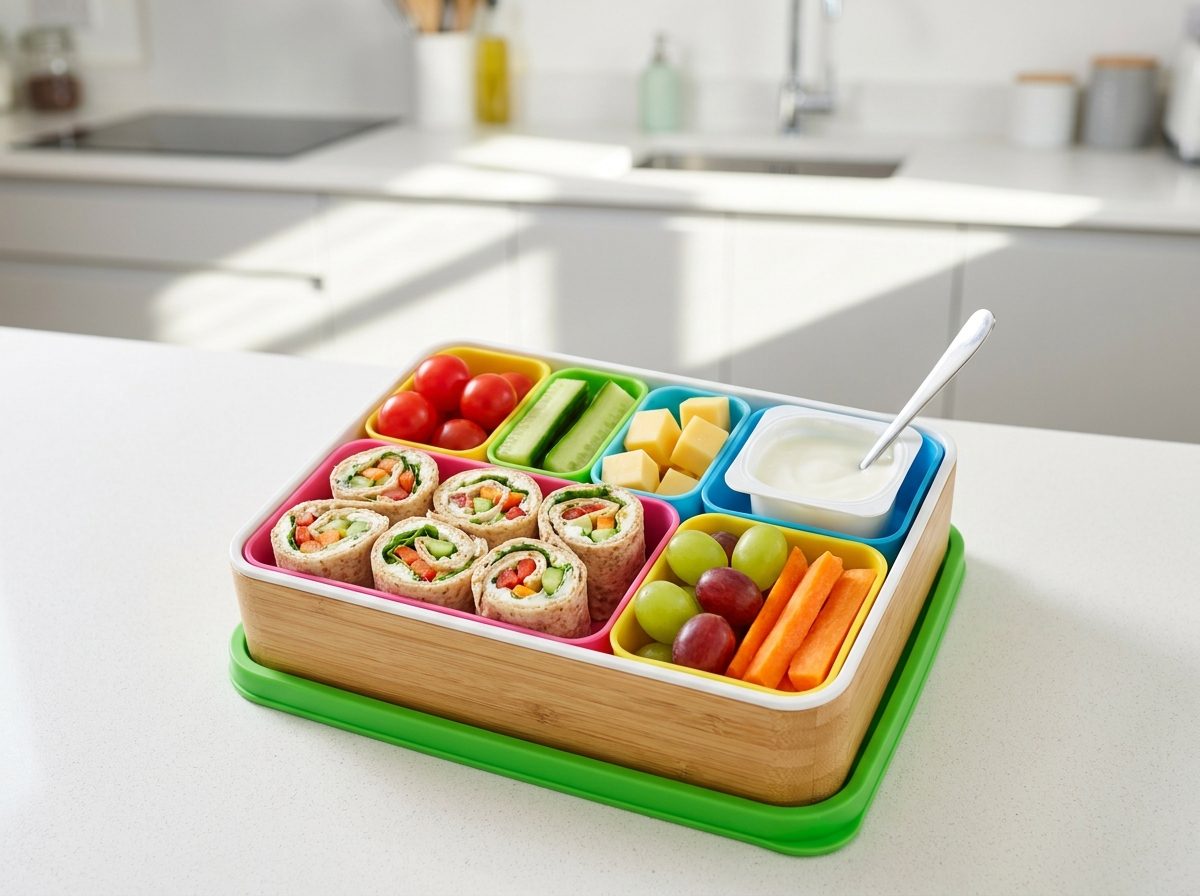
The lunchbox defeats you
It comes home barely touched and you've run out of ideas that survive until break.
A very short list of accepted foods
Your child eats about six things and the list seems to shrink rather than grow.
You want to model something better
You'd like them to grow up without inheriting the food anxieties you may have.
No time, real budget
It needs to be quick, affordable and possible on a weeknight — not aspirational.

Pressure at the table reliably makes fussy eating worse.
The instinct when a child refuses food is to push — one more bite, no pudding until, you're not leaving until. It's completely understandable and it tends to backfire, because it turns eating into a contest of wills and attaches anxiety to the very foods you want them to accept.
The approach that works better is a division of responsibility: you decide what is offered and when, and they decide whether and how much they eat from it. It sounds passive and it is anything but — it defuses the conflict and gives them room to come to new foods in their own time, which is generally how it happens.
Alongside that we make the practical side survivable. One meal for the household with a component you know they'll accept, cooked once, working for the whole week.
Four things that make the difference
One meal, one shopping list
Cook once and feed everyone, with portions and plate balance adjusted rather than separate menus.
Fussy eating, calmed
Practical strategies that lower the temperature at the table and widen accepted foods gradually, without force.
Lunchboxes that come back empty
Ideas that hold up until break, fit the budget, and stand a real chance of being eaten.
Daily accountability
Somebody to ask on the evening it goes wrong, through the free app, rather than filing it away for six months.

What's included
- A family meal plan built on one shopping list
- Practical strategies for fussy and anxious eaters
- Lunchbox ideas that survive until break
- Age-appropriate portion guidance for children
- Quick, affordable weeknight meals from a qualified chef
- Daily check-ins and live chat through the free app
You decide what goes on the table and when. They decide whether they eat it. That single change ends most supper-time wars.Lee Jaffe — Registered Dietitian, RD(SA)
Family & Kids, answered
My child eats about six things. Is that normal?
A narrow list is very common, particularly in younger children, and it usually widens with time and low-pressure exposure. What's worth taking seriously is when the list is shrinking, when whole food groups are gone, or when growth is affected — those are worth proper assessment, and we'd look at it together at the first consultation.
Should I make my child finish their plate?
I'd rather you didn't. Clean-plate rules override the hunger and fullness signals children are usually rather good at, and they tend to build pressure around eating that lasts well into adulthood. Serving a sensible portion and letting them decide how much of it they eat works better in the long run.
Do you put children on diets?
No. Children are growing, and the focus is on the family's food environment, habits and variety rather than restriction. If weight is a concern, it's handled through what's offered and how meals work at home — carefully, and with growth in mind.
Can the whole family come to the consultation?
Yes — I consult with individuals, couples and families, in person in Sea Point or online. For household food changes it often works far better with everyone in the room, because the plan only holds if it fits how you all actually live.
My children have completely different needs. Does one plan work?
That's precisely what the plan is for. It's built as one core meal with adjustments — different portions, a swapped component, a safe option alongside — so you're cooking once rather than running a short-order kitchen.
Can I claim from my medical aid?
Consultations are billed privately and many clients claim back from medical-aid savings using the invoice provided. Cover differs by scheme, so check yours. Current fees are on the booking page.
Related services
Weight Loss & Management
A flexible, science-calculated plan with no banned foods — and the daily accountability that makes it stick.
Read morePregnancy Nutrition
Pregnancy comes with a great deal of advice and not much of it is consistent. This is calm,…
Read moreGut Health & IBS
Bloating, cramping and unpredictable digestion drive people to eliminate more and more until…
Read moreOne plan your whole household can actually live on.
Start with the free 2-minute assessment for a personalised next step, or book a free 15-minute discovery call. Online across South Africa, or in person in Sea Point.