GLP-1 medications like Ozempic, Wegovy and Mounjaro have changed the weight-loss conversation in South Africa almost overnight. They work by slowing digestion and dialling down appetite, and for many people the scale moves quickly. But the medication answers only one question — how much you eat. It says nothing about what you eat, and that gap is where most people quietly run into trouble.
What the jab doesn't do
When your appetite drops sharply, it's easy to eat far too little and far too poorly. The result is rapid weight loss that includes a large amount of muscle, not just fat. You can become deficient in protein, fibre, vitamins and minerals. Nausea, constipation, fatigue and hair thinning often follow — not from the drug itself, but from how people end up eating on it.
Where a dietitian changes the outcome
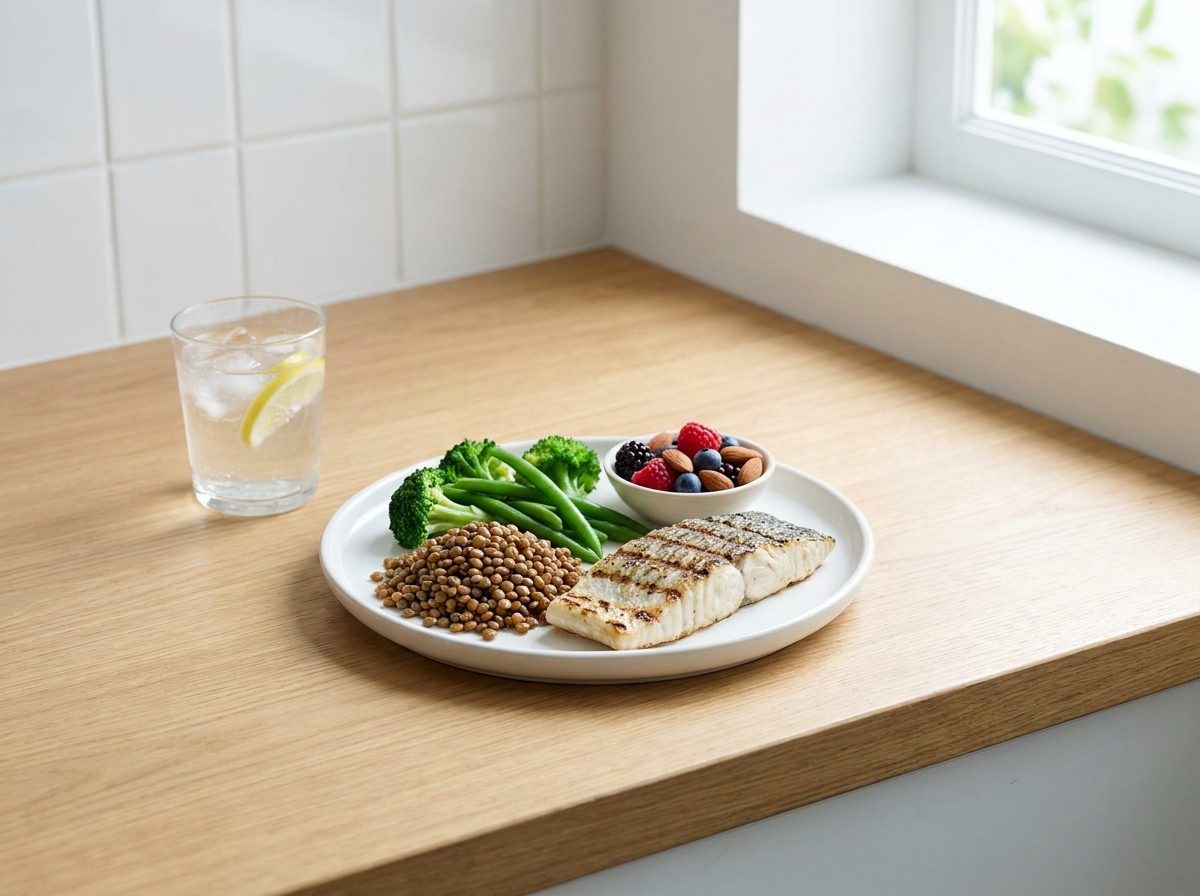
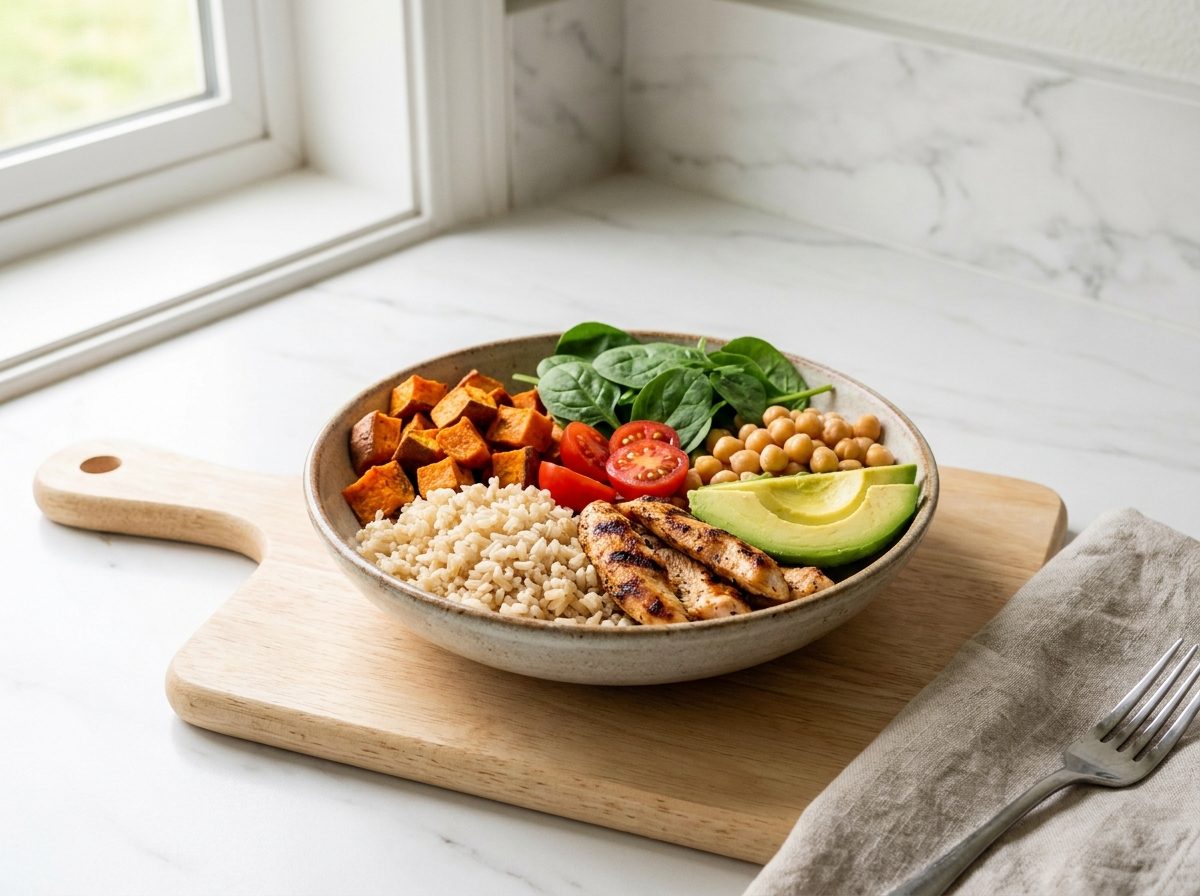
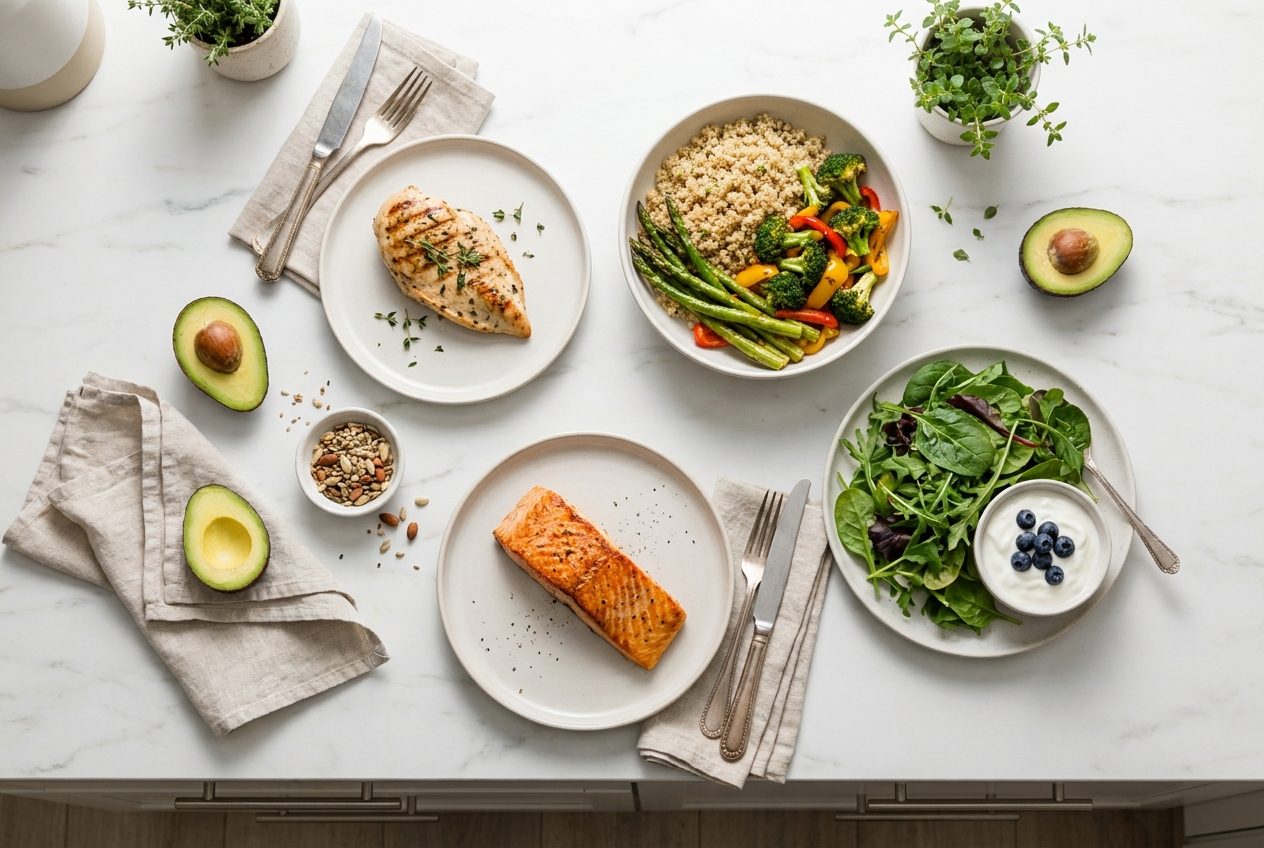
This is the half a registered dietitian owns. We make sure every small meal counts: enough protein to protect your lean muscle, enough fibre to keep digestion moving, and the micronutrients your body still needs even when you're eating less. We manage side-effects with food, not willpower. And — most importantly — we build the eating habits that keep the weight off when you eventually come off the medication, so you don't rebound.
The accountability piece
Medication plus a plan plus daily accountability is a genuinely different proposition to medication alone. With daily check-ins through the app, we catch the small problems — the skipped protein, the creeping nausea, the plateau — before they become big ones. If you're on a GLP-1 or thinking about it, this is the support that makes it worth it.